Category: Grease the Bearings

Essential Trailer Maintenance: Mastering Dexter 21-36 Hub Caps and Wheel Bearings

Proper trailer maintenance keeps your fleet operational and prevents costly roadside failures. For commercial operators relying on Dexter axles, the Dexter 21-36 hub cap and wheel bearing care represent the cornerstone of reliability. These components protect critical bearings from contaminants while maintaining optimal lubrication—directly impacting safety, uptime, and total cost of ownership.

Whether hauling construction materials, landscaping equipment, or e-commerce goods, neglecting hub maintenance leads to premature wear, overheating, and dangerous failures. This guide covers bearing health fundamentals, lubrication best practices, and maintenance schedules to maximize your trailer’s lifespan.

Keeping Your Trailer Tire Bearings Happy

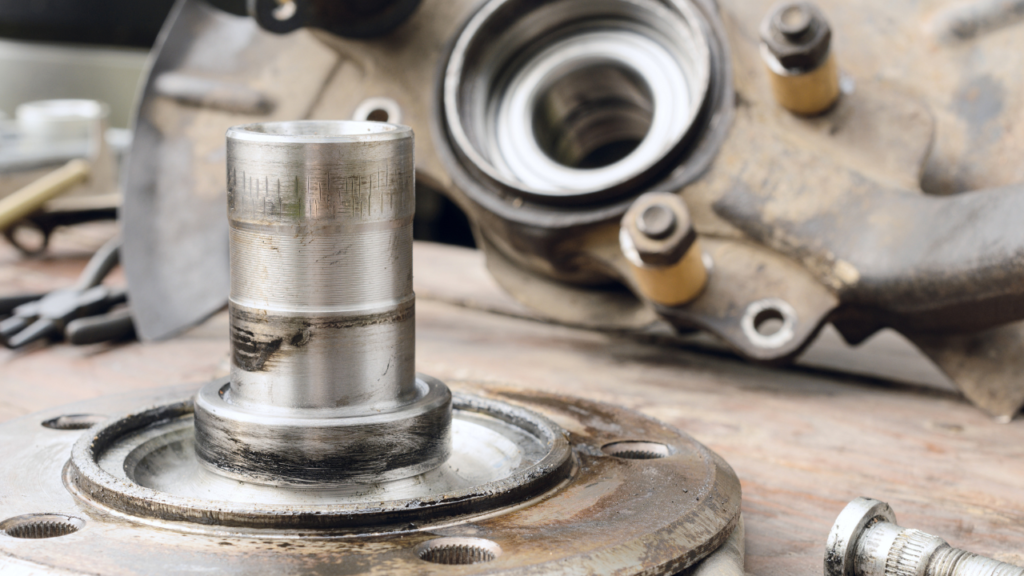
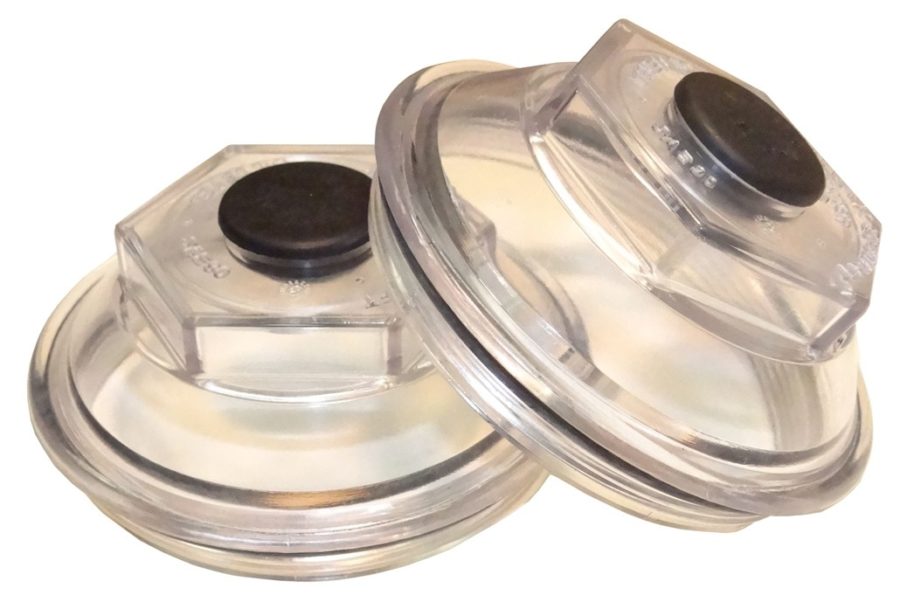
Wheel bearings endure tremendous radial and thrust loads while spinning at highway speeds. The Dexter 21-36 hub cap, designed for 9K-15K axles, creates a sealed environment protecting these precision components from road salt, water, and debris.

What bearings need to thrive:

  • Consistent lubrication film: Prevents metal-to-metal contact under 2,000+ lbs load per wheel
  • Temperature control: Operating range 0°F-250°F; overheating destroys grease structure
  • Contaminant exclusion: Water intrusion causes corrosion, leading to spalling and failure

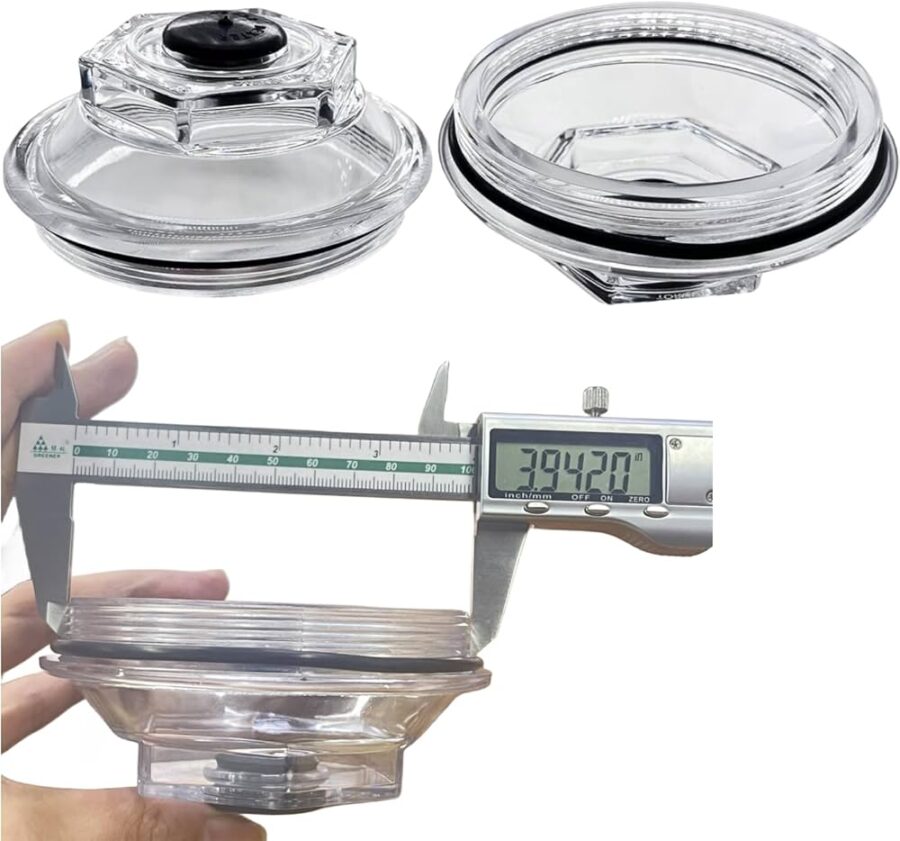
Healthy bearings spin smoothly without growl or drag. The Dexter 21-36’s 4-inch threaded design with O-ring seal maintains negative pressure, preventing moisture ingress during pressure washing or puddle crossings. Check hub temperature after 30 miles—if noticeably warmer than axle housing, investigate immediately.

Visual inspection reveals early problems:

  • Leaking grease around spindle indicates seal failure
  • Hub cap separation suggests thread damage
  • Discoloration signals overheating (blue/black indicates 400°F+)

Regular checks prevent 85% of premature failures. A regional trucking firm avoided $18K in axle replacements by implementing monthly Dexter 21-36 inspections across their 42-trailer fleet.

How to Lubricate Your Bearings

Proper greasing technique separates professionals from amateurs. Overpacking destroys seals; underpacking starves bearings. Follow this proven method for Dexter oil bath or grease-packed hubs.

Step-by-step lubrication process:

  1. Elevate trailer using axle stands (never jacks alone)
  2. Remove Dexter 21-36 hub cap using 2½” socket or cap wrench
  3. Drain old lubricant through bottom plug; inspect for metal flakes
  4. Clean spindle with solvent; check races for scoring
  5. Inspect bearings—replace if rollers show flat spots or pitting
  6. Repack inner bearing with NLGI #2 high-temp marine grease (½ cup)
  7. Reinstall seal, outer bearing, hub, washers, and lug nuts (torque 75-85 ft-lbs)
  8. Replace Dexter 21-36 hub cap with new O-ring; torque to 20-30 ft-lbs

For oil bath hubs, fill to oil level window (⅜ full) using 80W-90 gear oil. A detailed tutorial at McKeown Biofuels’ bearing lubrication guide demonstrates commercial fleet techniques achieving 100K+ mile service intervals.

Pro tip: Always replace bearings as pairs (inner/outer) and match races. Single bearing failure contaminates the entire assembly.

How Often Should You Grease Travel Trailer Wheel Bearings

Maintenance intervals depend on usage, environment, and axle rating. Commercial operators need shorter cycles than recreational users.

Recommended schedule by operation type:

  • Heavy commercial (daily hauling): Every 12 months or 25,000 miles
  • Regional delivery: Every 18 months or 40,000 miles
  • Light commercial: Every 24 months or 50,000 miles
  • Recreational: Every 12 months regardless of mileage

Environmental accelerators:

  • Salt road exposure: Reduce intervals 50%
  • Frequent pressure washing: Check quarterly
  • Dusty construction sites: Monthly visual inspections
  • Mountain grades (continuous braking): Every 8,000 miles

The Dexter 21-36 hub cap’s oil sight glass provides instant visual confirmation. Amber oil = healthy; milky = water contamination; metallic sheen = bearing distress. Implement a hub temperature log—anything over 160°F post-trip warrants immediate teardown.

A logistics company running 9K Dexter axles through Midwest winters cut bearing failures 92% by moving from 24-month to 12-month greasing with visual log documentation. Their insurance carrier rewarded the program with 15% lower premiums.

Conclusion: Precision Maintenance = Maximum Uptime

Mastering Dexter 21-36 hub caps and bearing maintenance transforms trailer reliability from hope to certainty. Consistent lubrication, proper technique, and environment-adjusted schedules prevent 95% of premature failures while extending component life 2-3x.

Key takeaways for commercial operators:

  • Inspect Dexter 21-36 hub caps monthly; replace O-rings annually
  • Grease to schedule based on usage, not calendar
  • Log hub temperatures to catch problems early
  • Source quality replacements like the Valcrum ST-400D Dexter 21-36 upgrade

Schedule your next service before the next haul. Preventive maintenance costs $250 per axle; roadside failure averages $3,800 including downtime and towing. Precision care protects your bottom line.
Keeping Your Trailer Tire Bearings Happy

Are Hubcaps Necessary? What Are They For?

Think a Dexter hub cap is an important feature on a car? To be honest, most people don’t think about hubcaps, but these can be quite an important concept to consider. While hubcaps aren’t technically ‘essential’ to a vehicle, they do improve its aesthetic appeal. The purpose of the hub cap is to essentially add a bit of flare to the car (by hiding the steel wheels). They can, however, protect the wheel from debris and road dirt.

So, are hub caps necessary on a vehicle, and what can they be used for?

Getting the Grips with Hub Caps

Do you know the purpose of a Dexter 21 36? Do you understand the need for a hub cap? Most don’t, but the reality is that wheel or hub caps are decorative pieces. They act as a cover that is attached to the wheelbase. The hub cap can be attached via bolts or snapped into place. Most car manufacturers will apply these during the final stages of production. Of course, it depends on the manufacturer and model type.

The History of Hub Caps

Hub caps are not new – they have been around for decades – ever since there were horse-drawn carts. The idea of the hub cap was to prevent a build-up of debris and dirt on the wheel. This was crucial for carts and keeping them in good running order. Of course, hub caps are still used today but with a different view. A Dexter hub cap will prevent a build-up of dirt but also provide an appealing finish to the vehicle.

Do You Need a Dexter Hub Cap?

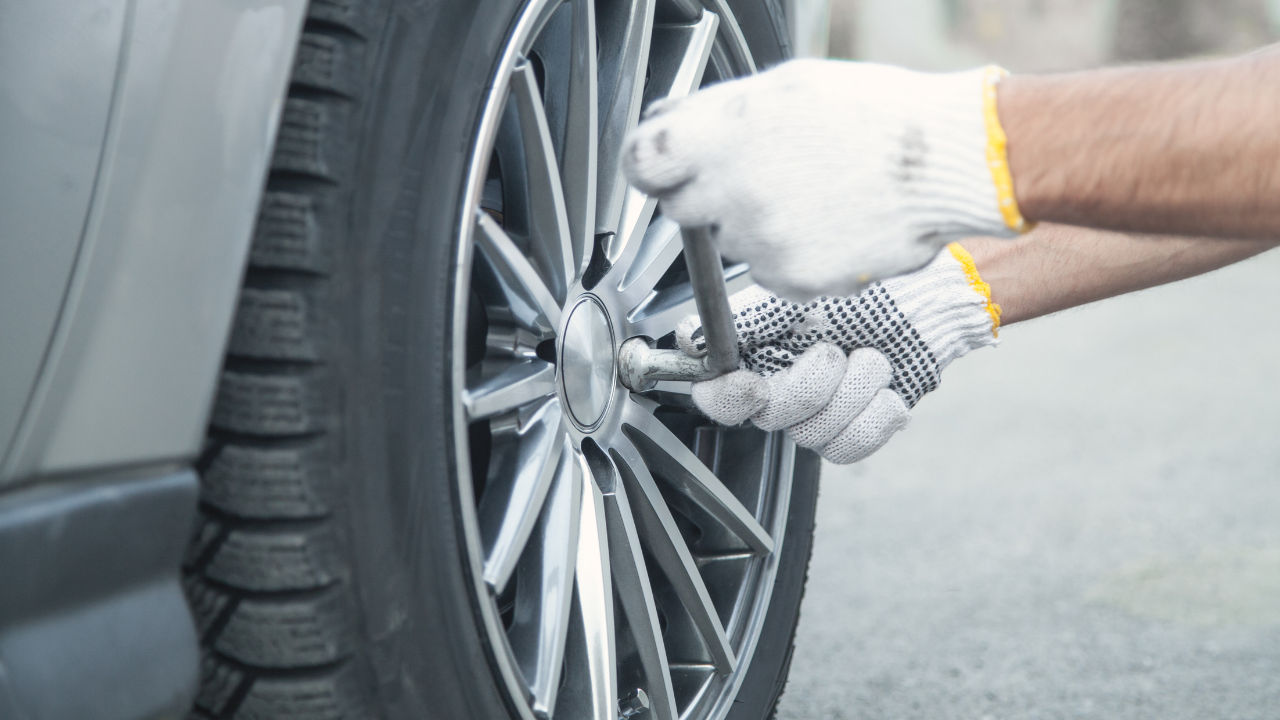
The reality is that you can drive a vehicle without a hub cap. It will not damage the car or impede you in any way. However, a hub cap can be an important accessory since it acts as a barrier. A hub cap can help protect the wheel from dirt and debris and prevent the corrosion of nuts and bolts. This can be a real lifesaver when you have to change a wheel. Of course, most people don’t realize this. So, whether you think a Dexter 21 36 is important or necessary, hub caps are useful.

Should You Invest in Hub Caps?

It’s easy to be in two minds over hub caps and whether they’re worth investing in. While some might say they’re a waste of time, others would disagree. It can be a great idea to invest in hub caps because they protect the wheelbase. The Dexter hub cap can protect the wheel from debris and dirt. Hub caps can handle tough road conditions and help fight against rust and corrosion. This can be especially useful when you want to change a wheel.

Hub Caps Add So Much to Your Vehicle

The debate over hub caps rages on as vehicle owners and enthusiasts remain undecided. The reality, however, is hub caps play a crucial role in your vehicle. It protects the nuts and bolts from rust and corrosion and reduces road debris too. While hub caps aren’t technically necessary to drive a vehicle, they can enhance it in so many ways. A Dexter hub cap can be worth the investment for your vehicle.

Conclusion

In conclusion, while hubcaps like the Dexter 21 36 may not be essential for driving, they offer numerous benefits that enhance both the aesthetic and functional aspects of your vehicle. Hubcaps protect wheel components from dirt and debris, reducing the risk of corrosion and making maintenance tasks, such as wheel changes, easier. For those looking to invest in quality hubcaps and other essential components, searching for “trailer parts near me” can help you find local suppliers with the best options available. By investing in reliable hubcaps, you not only improve the look of your vehicle but also ensure its longevity and performance on the road.

Dexter 21 36

What Is the Importance of Hubcaps? 

Do you know what a Dexter 21 36 does? Do you know the importance of hubcaps? To be honest, you might not think too much about hubcaps but they play an important role within a vehicle. While the debate rages on over whether a hubcap is needed, it’s good to have them on your vehicle. So, why are hubcaps so important and what purpose do they serve? 

The Purpose of a Dexter Hub Cap 

Did you know that hubcaps were used with horse-drawn carriages? You wouldn’t have thought it necessary or possible but that’s how old the first hubcap is. What’s more, hubcaps have come a long way in recent years. They have been designed so that they fit snuggly over the vehicle’s wheels and are snapped in place to offer a secure finish. Typically, hubcaps are made from plastic but complement alloy wheels beautifully.  

Hubcaps also have the job of protecting the wheel from road debris and dirt. You can prevent unnecessary damage with a hubcap too. That’s why a Dexter 21 36 has become so popular.  

Why Choose Hubcaps 

Whether you have expensive tires or cheap ones, it’s important to keep them in the best condition. You don’t want to change the tires every few weeks as that is expensive and unnecessary. Hubcaps, however, could offer better protection for your tires. It may be possible to increase the lifespan of your tires just by using hubcaps. They are there to offer greater levels of protection by reducing (and possibly stopping) damage from occurring. It means your tires last longer.  

It is also possible to protect the nuts and bolts with a hubcap which is handy when you need to change a tire. You won’t have to deal with a rusted bolt or damaged wheel nut. So, that’s a big reason to look at a Dexter hub cap today.  

A Necessity for Trailers 

Replacing tires every few months on a trailer can be incredibly expensive. It puts a dent in your pocket which could have been prevented. Remember, there are dangers on the road that target your wheels. For instance, you have road debris and rocks that could cause severe damage to one or more of your tires. It means you have to replace them quicker than you would normally. It is a pain and not ideal, to say the least. That’s why you should consider a Dexter 21 36 hub.  

Get Protection for Your Vehicle 

Hubcaps are important tools for your vehicle because they help protect the most vulnerable parts. For instance, the wheel bolts and nuts are vulnerable to road dirt. They can easily corrode or rust; however, a hubcap may help prevent this from occurring. It is one of the biggest reasons why more people choose a Dexter hub cap today.  

Get the Best for Your Vehicle 

A lot of people think hubcaps are an unnecessary expense and that it’s one accessory they can do without. Unfortunately, hubcaps play a crucial role in most vehicles and trailers. They are there to protect the most vulnerable parts of the wheel and stop unnecessary tire damage. Best of all, hubcap installation can be incredibly easy – if you use a professional service. So, buy the best Dexter hub cap and protect your vehicle.  

Conclusion

In conclusion, hubcaps play a crucial role in protecting your vehicle’s wheels and enhancing their longevity. Whether you use a Dexter 21 36 hub cap or another type, hubcaps offer significant benefits by shielding wheel bolts, nuts, and tires from road debris and dirt. This protection can prevent costly damage and extend the lifespan of your tires, making hubcaps a valuable investment. For those looking to maintain their trailers efficiently, searching for “trailer parts near me” can help you find local sources for high-quality hubcaps and other essential components. By prioritizing the use of hubcaps, you ensure your vehicle remains in top condition, saving money and enhancing safety on the road.

How to Lubricate Your Bearings

How to Lubricate Your Bearings

Whether you use a Dexter 21 36 or another type of bearing, these must run smoothly. Improper lubrication can spell disaster for your vehicle because the bearings can be exposed to rust and corrosion and may stop working altogether. Routine maintenance is necessary to make sure the bearings are oiled and greased appropriately. It not only keeps you safe on the road but ensures the car is safe to drive too. So, how to lubricate your bearings, and what should you avoid in the process?

Grease the Bearings Every Ten Thousand Miles

Routine maintenance is necessary to ensure the bearings are safe to be out on the road. While everyone has an opinion on this number, it’s thought you should lubricate them once every ten-to-twelve thousand miles or once a year. This depends on how far you travel over the year, of course. So, put a small amount of grease onto your hand and press it into the outer edge of the bearing. Work the grease around the bearing until it is fully greased. You can then reinstall it. Whether you’re working with a Dexter hub cap or otherwise, be careful and patient.

Oiling the Hubs

Hubs should be refilled periodically with gear oil. This ensures the hubs are properly maintained and it’s also the perfect time to look for damage to the seal. Any damage should be repaired immediately. If the Dexter 21 36 bearings look good, you shouldn’t have too much to worry about. Of course, if this is not something you’re comfortable doing, get a professional to handle it.

Oiling the Hubs

Under or Over Lubrication

One of the more common issues drivers have with lubrication is that they are sometimes too heavy-handed with the grease. Over-lubrication mightn’t seem like an issue, but it can cause a build-up and create friction. This leads to excessive heat and can cut the lifespan of the bearings. It’s the same when you under-lubricate them; you create unnecessary damage. You can read more about How Often Should You Grease Travel Trailer Wheel Bearings? by visiting https://www.mckeownbiofuels.com/how-often-should-you-grease-travel-trailer-wheel-bearings/

Whether you have a Dexter hub cap or another variety, you don’t want to damage them because of under or over-lubricating them.

Not Having a Mechanic Lubricate Dexter 21 36 Bearings

This is a mistake for those who aren’t confident or don’t know what they’re doing when it comes to lubricating their bearings. Let’s be honest, it’s a foreign concept for those who aren’t mechanically gifted but can cause a heap of trouble if done wrong. That’s why it’s easier to opt for a professional to deal with such things. Of course, if you’re competent in these matters, that’s a different story. A Dexter hub cap might be easy to maintain but the wrong choices could ruin everything.

Make the Right Choice

Lubricating a car’s bearings isn’t difficult – when you know what you’re doing, of course. Fortunately, it’s easier to understand than you might think. Greasing the bearings every ten thousand miles can be important, and so too can oiling the hubs sporadically. You also need to ensure you don’t over or under-lubricate them and call on the professionals too. Whether you have a Dexter 21 36 bearing or another variety, ensure they’re properly lubricated. You can also read about How to Lube Your Car’s Steering and Suspension Parts by clicking here.

Conclusion

In conclusion, proper lubrication of your trailer’s bearings is essential to ensure safe and smooth travel. Whether you use a Dexter 21 36 bearing or another type, routine maintenance, including greasing every ten thousand miles and periodically oiling the hubs, is crucial. Avoid the common pitfalls of under or over-lubrication to prevent unnecessary damage and extend the lifespan of your bearings. If you’re not confident in performing these tasks yourself, it’s wise to consult a professional. For those looking to maintain their trailers effectively, searching for “trailer parts near me” can provide access to local expertise and high-quality parts. By keeping your bearings well-lubricated and maintained, you ensure a safer and more reliable journey on the road.

Powered by WordPress & Theme by Anders Norén