Proper trailer maintenance keeps your fleet operational and prevents costly roadside failures. For commercial operators relying on Dexter axles, the Dexter 21-36 hub cap and wheel bearing care represent the cornerstone of reliability. These components protect critical bearings from contaminants while maintaining optimal lubrication—directly impacting safety, uptime, and total cost of ownership.
Whether hauling construction materials, landscaping equipment, or e-commerce goods, neglecting hub maintenance leads to premature wear, overheating, and dangerous failures. This guide covers bearing health fundamentals, lubrication best practices, and maintenance schedules to maximize your trailer’s lifespan.
Keeping Your Trailer Tire Bearings Happy
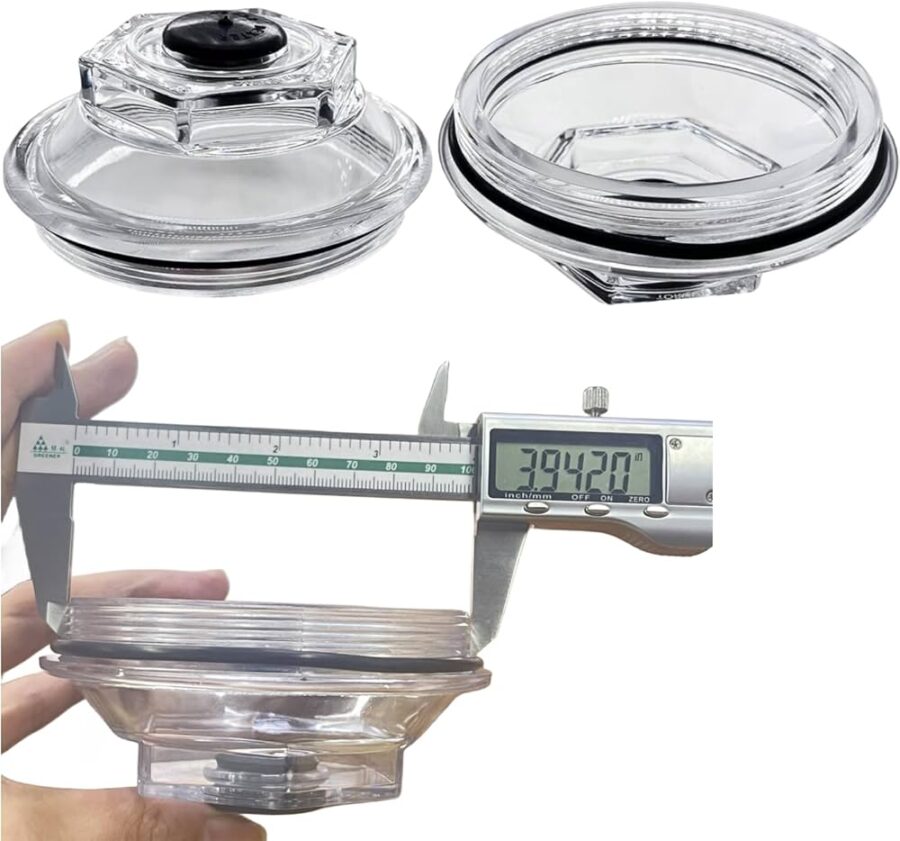
Wheel bearings endure tremendous radial and thrust loads while spinning at highway speeds. The Dexter 21-36 hub cap, designed for 9K-15K axles, creates a sealed environment protecting these precision components from road salt, water, and debris.
What bearings need to thrive:
- Consistent lubrication film: Prevents metal-to-metal contact under 2,000+ lbs load per wheel
- Temperature control: Operating range 0°F-250°F; overheating destroys grease structure
- Contaminant exclusion: Water intrusion causes corrosion, leading to spalling and failure
Healthy bearings spin smoothly without growl or drag. The Dexter 21-36’s 4-inch threaded design with O-ring seal maintains negative pressure, preventing moisture ingress during pressure washing or puddle crossings. Check hub temperature after 30 miles—if noticeably warmer than axle housing, investigate immediately.
Visual inspection reveals early problems:
- Leaking grease around spindle indicates seal failure
- Hub cap separation suggests thread damage
- Discoloration signals overheating (blue/black indicates 400°F+)
Regular checks prevent 85% of premature failures. A regional trucking firm avoided $18K in axle replacements by implementing monthly Dexter 21-36 inspections across their 42-trailer fleet.
How to Lubricate Your Bearings
Proper greasing technique separates professionals from amateurs. Overpacking destroys seals; underpacking starves bearings. Follow this proven method for Dexter oil bath or grease-packed hubs.
Step-by-step lubrication process:
- Elevate trailer using axle stands (never jacks alone)
- Remove Dexter 21-36 hub cap using 2½” socket or cap wrench
- Drain old lubricant through bottom plug; inspect for metal flakes
- Clean spindle with solvent; check races for scoring
- Inspect bearings—replace if rollers show flat spots or pitting
- Repack inner bearing with NLGI #2 high-temp marine grease (½ cup)
- Reinstall seal, outer bearing, hub, washers, and lug nuts (torque 75-85 ft-lbs)
- Replace Dexter 21-36 hub cap with new O-ring; torque to 20-30 ft-lbs
For oil bath hubs, fill to oil level window (⅜ full) using 80W-90 gear oil. A detailed tutorial at McKeown Biofuels’ bearing lubrication guide demonstrates commercial fleet techniques achieving 100K+ mile service intervals.
Pro tip: Always replace bearings as pairs (inner/outer) and match races. Single bearing failure contaminates the entire assembly.
How Often Should You Grease Travel Trailer Wheel Bearings
Maintenance intervals depend on usage, environment, and axle rating. Commercial operators need shorter cycles than recreational users.
Recommended schedule by operation type:
- Heavy commercial (daily hauling): Every 12 months or 25,000 miles
- Regional delivery: Every 18 months or 40,000 miles
- Light commercial: Every 24 months or 50,000 miles
- Recreational: Every 12 months regardless of mileage
Environmental accelerators:
- Salt road exposure: Reduce intervals 50%
- Frequent pressure washing: Check quarterly
- Dusty construction sites: Monthly visual inspections
- Mountain grades (continuous braking): Every 8,000 miles
The Dexter 21-36 hub cap’s oil sight glass provides instant visual confirmation. Amber oil = healthy; milky = water contamination; metallic sheen = bearing distress. Implement a hub temperature log—anything over 160°F post-trip warrants immediate teardown.
A logistics company running 9K Dexter axles through Midwest winters cut bearing failures 92% by moving from 24-month to 12-month greasing with visual log documentation. Their insurance carrier rewarded the program with 15% lower premiums.
Conclusion: Precision Maintenance = Maximum Uptime
Mastering Dexter 21-36 hub caps and bearing maintenance transforms trailer reliability from hope to certainty. Consistent lubrication, proper technique, and environment-adjusted schedules prevent 95% of premature failures while extending component life 2-3x.
Key takeaways for commercial operators:
- Inspect Dexter 21-36 hub caps monthly; replace O-rings annually
- Grease to schedule based on usage, not calendar
- Log hub temperatures to catch problems early
- Source quality replacements like the Valcrum ST-400D Dexter 21-36 upgrade
Schedule your next service before the next haul. Preventive maintenance costs $250 per axle; roadside failure averages $3,800 including downtime and towing. Precision care protects your bottom line.